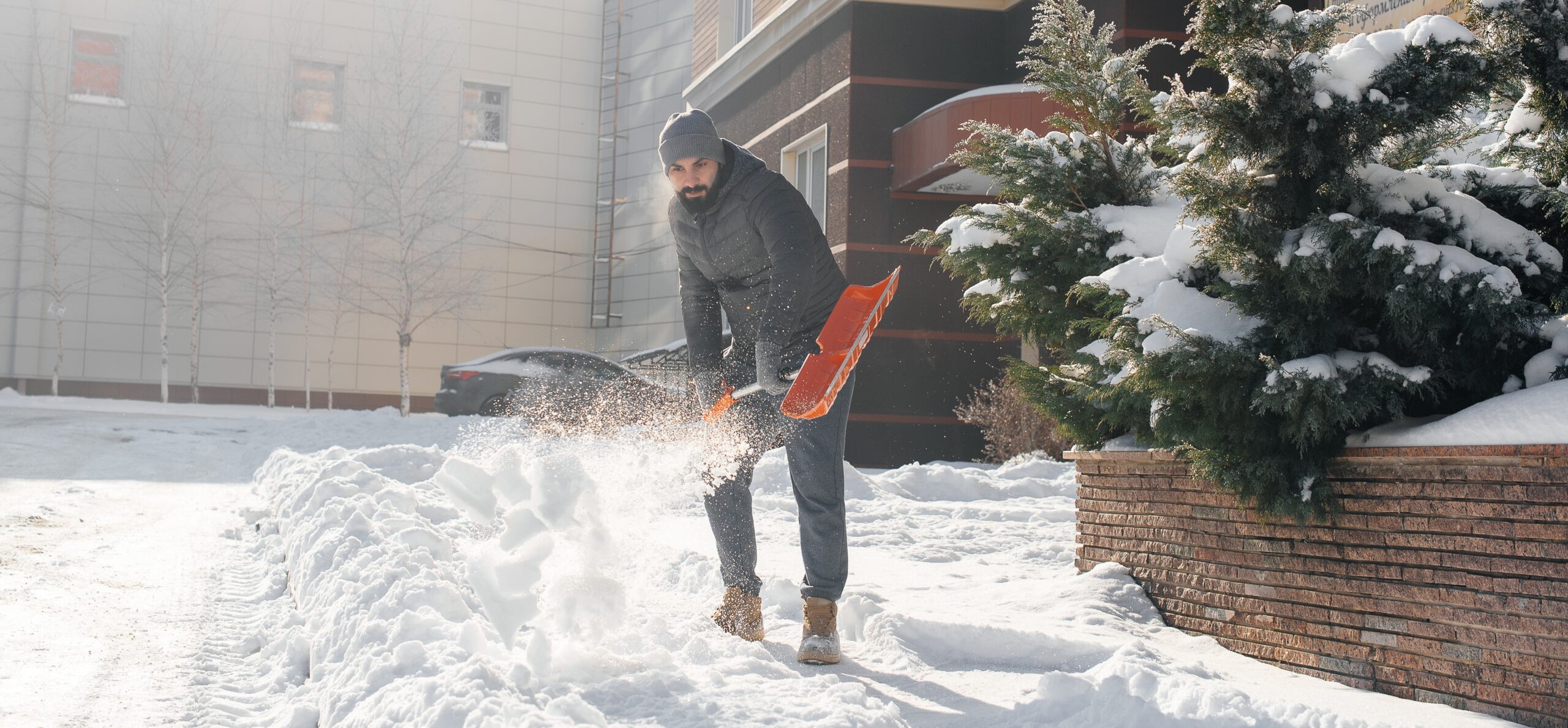
Severe winter temperatures can lead to hypothermia, so experts urge caution in the cold, no matter if you plan to shovel the sidewalk or build snow forts.
“Hypothermia means your body has an abnormally low temperature, and it can take hold in just 30 minutes outside – often before people even realize they’re in danger,” says Dr. Stephen Feagins, medical director for Hamilton County. “Extreme cold forces the body – especially the brain and the heart – to work harder, and it’s very dangerous.”
Hypothermia can affect anyone, but it’s particularly dangerous for people who live or work outdoors for long periods, people who drink alcohol or use substances, and people without adequate food, clothing or heat, Feagins says. He adds that people experiencing hypothermia should find warmth quickly and seek emergency care.
“Warming up from hypothermia can be complicated, but focus on the core areas like the head, neck, chest and groin to quickly get blood flowing.” Feagins says. “A warm drink or blanket can help immensely until medical care is available.”
Want to be prepared for severe winter weather? Read on!
WINTER SAFETY TIPS
Cold weather means preparing for low temperatures while also thinking ahead. When you need to be outside, consider these winter safety tips:
– Stay inside unless you absolutely must be outdoors.
– Dress in several heavy layers and cover your extremities. Wear a hat and gloves.
– Take frequent breaks from being outside. Head indoors every 30 minutes to keep the blood moving.
– Limit alcohol and other substances in low temperatures.
– Keep blankets and extra clothes in your car for emergencies.
– Make sure your phone’s battery is full, and you’ve added important contact information to it. Keep a backup charger in your bag, pockets or glove box, and let loved ones know where you’re going and when you’ll return.
SIGNS OF HYPOTHERMIA
How will you know that you or someone nearby may have hypothermia? Look for these signs in cold weather:
– You’ve stopped shivering even at low temperatures.
– Your body is cold to the touch or is very stiff.
– You experience disorientation, confusion or drowsiness.
– Your heart rate is very slow.
– You’re having trouble breathing.
If you develop signs of hypothermia after prolonged exposure to severe winter weather, seek emergency medical care as soon as possible.
Find more information on hypothermia prevention on the Hamilton County Public Health’s hypothermia fact sheet, and explore our fact sheet glossary for more trusted public health information.
For more tips about staying safe in severe winter weather, see the Ohio Department of Health’s fact sheet.